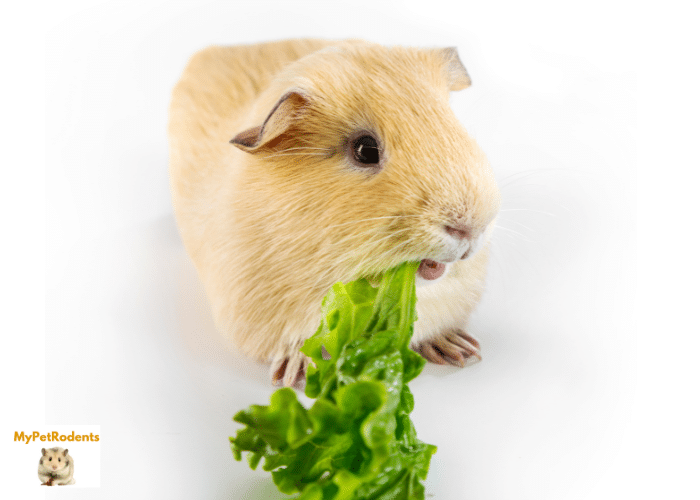
Have you ever noticed that your adorable guinea pig always seems to have an insatiable appetite? You might find yourself wondering why your furry friend constantly seeks out food and if there’s any cause for concern. In this article, we’ll delve into the reasons behind a guinea pig’s perpetual hunger and provide you with valuable insights to keep your pet happy and healthy.
Introduction: Why Is My Guinea Pig Always Hungry?
Guinea pigs, also known as cavies, are small herbivorous rodents with voracious appetites. They have unique nutritional requirements that need to be met to ensure their well-being. While it’s normal for guinea pigs to have a healthy appetite, excessive or constant hunger can sometimes indicate an underlying issue.
Understanding Guinea Pig Appetite
To comprehend why your guinea pig always seems hungry, it’s essential to understand their natural feeding behavior. Guinea pigs have a unique digestive system that requires a constant intake of fiber-rich foods to maintain optimal health. In their natural habitat, they graze on grass and other vegetation throughout the day. This grazing behavior allows their digestive system to function properly.
Nutritional Needs of Guinea Pigs
Guinea pigs have specific nutritional needs that must be met to support their growth and overall health. They require a diet rich in fiber, vitamin C, and other essential nutrients. Pellets formulated specifically for guinea pigs can be a convenient way to ensure they receive the necessary nutrients. Additionally, they should have access to fresh hay, which aids digestion and helps maintain healthy teeth.
Common Causes of Increased Appetite
Several factors can contribute to an increased appetite in guinea pigs. It’s essential to identify and address these factors to ensure your pet’s well-being. Here are some common causes of constant hunger in guinea pigs:
Lack of Fiber
A diet low in fiber can lead to increased hunger in guinea pigs. Fiber plays a crucial role in maintaining digestive health and preventing gastrointestinal issues. Ensure that your guinea pig’s diet includes ample amounts of fresh hay and fiber-rich vegetables to keep them satisfied.
Inadequate Diet
If your guinea pig’s diet lacks essential nutrients, they may experience constant hunger. Ensure that you provide a balanced diet that includes a variety of vegetables, pellets, and occasional treats. Consult a veterinarian for specific dietary recommendations based on your guinea pig’s age and health.
Dental Problems
Dental issues can cause discomfort while eating, leading to increased hunger as your guinea pig tries to compensate for the pain. Regularly check your pet’s teeth for signs of overgrowth or malocclusion. If you notice any problems, consult a veterinarian for appropriate dental care.
Hormonal Imbalances
Hormonal imbalances, such as those caused by ovarian cysts in female guinea pigs, can lead to increased appetite. If you suspect hormonal issues, consult a veterinarian for proper diagnosis and treatment.
Illness or Disease
Certain illnesses or diseases can disrupt a guinea pig’s normal eating patterns, causing increased hunger. It’s crucial to monitor your pet’s overall health and consult a veterinarian if you notice any changes in appetite accompanied by other concerning symptoms.
Tips for Managing Your Guinea Pig’s Hunger
To ensure your guinea pig’s hunger is adequately managed, follow these helpful tips:
Provide a Balanced Diet
Offer your guinea pig a well-balanced diet that includes fresh vegetables, high-quality pellets, and limited treats. Consult a veterinarian to determine the appropriate portion sizes and food choices for your pet.
Offer Sufficient Hay and Fresh Vegetables
Hay is an essential component of a guinea pig’s diet. It aids in digestion, wears down their continuously growing teeth, and provides mental stimulation. Additionally, incorporate a variety of fresh vegetables into their daily meals to meet their nutritional needs.
Monitor Treat Intake
While occasional treats are enjoyable for guinea pigs, excessive indulgence can lead to weight gain and health issues. Moderation is key when it comes to treats, so be mindful of portion sizes and opt for healthy options.
Regular Veterinary Check-ups
Regular visits to a veterinarian are essential for monitoring your guinea pig’s overall health and identifying any underlying issues that may contribute to increased appetite. A professional can provide valuable guidance on nutrition and detect potential health concerns early on.
The Importance of Exercise
In addition to a proper diet, exercise is vital for maintaining a healthy weight and preventing obesity in guinea pigs. Providing your furry friend with ample opportunities to move around and explore their environment will help burn off excess calories and keep them physically fit.
Creating a Healthy Feeding Routine
Establishing a consistent feeding routine is beneficial for guinea pigs, as it helps regulate their appetite and promotes overall well-being. Feed your pet at the same times each day and provide fresh water throughout. Consistency and routine will ensure your guinea pig’s hunger is appropriately managed.
Signs of Overeating or Obesity
While constant hunger can be a concern, overeating and obesity are equally important issues to address. Watch out for signs such as weight gain, lethargy, difficulty moving, and a decrease in appetite for hay. If you suspect your guinea pig is overeating or becoming obese, consult a veterinarian for guidance on adjusting their diet and promoting weight loss.
Handling Picky Eaters
Some guinea pigs can be picky eaters, which can make it challenging to ensure they receive a balanced diet. Experiment with different vegetables and herbs to find what your pet enjoys. Gradually introduce new foods to their diet, offering variety while ensuring their nutritional needs are met.
Conclusion
If you’ve been wondering why your guinea pig is always hungry, it’s important to understand their natural feeding behavior and address any underlying issues. By providing a well-balanced diet, monitoring their health, and creating a healthy feeding routine, you can ensure your furry friend remains happy and healthy. Remember, consulting a veterinarian is crucial for personalized advice based on your guinea pig’s specific needs.
FAQs
How much should I feed my guinea pig?
The amount of food your guinea pig needs depends on various factors, including age, weight, and overall health. As a general guideline, offer approximately 1/8 to 1/4 cup of pellets per day, along with unlimited access to fresh hay and a variety of fresh vegetables.
Can guinea pigs eat fruits?
Yes, guinea pigs can enjoy fruits, but they should be given in moderation due to their sugar content. Offer small pieces of fruits like apples, strawberries, and melons as occasional treats.
Why is my guinea pig refusing to eat?
A loss of appetite in guinea pigs can be a sign of illness or stress. If your guinea pig refuses to eat for more than a day or shows other concerning symptoms, consult a veterinarian for a proper evaluation.
Are there any specific food items that can suppress a guinea pig’s appetite?
While some foods may have appetite-suppressing properties, it’s not recommended to intentionally suppress a guinea pig’s appetite. Instead, focus on providing a balanced diet and addressing any underlying health issues that may be causing excessive hunger.
Can stress affect a guinea pig’s eating habits?
Yes, stress can significantly impact a guinea pig’s eating habits. Changes in their environment, such as loud noises or sudden disruptions, can lead to appetite changes. Ensure a calm and comfortable living space for your guinea pig to help maintain their healthy eating habits.
Take a look at some of our other guinea pig related articles.