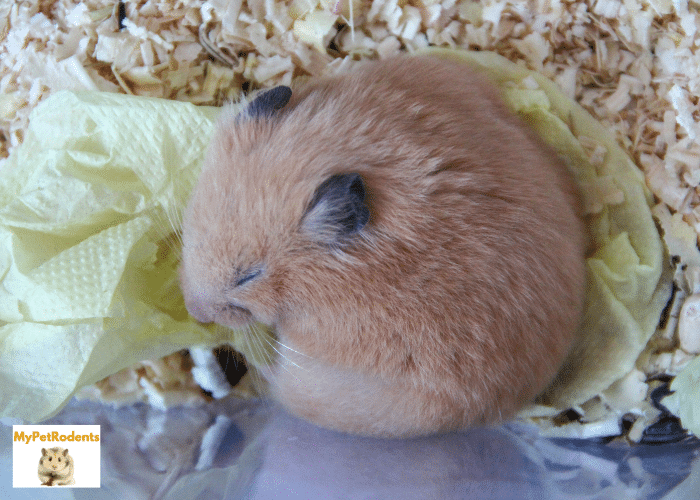
Hamsters are adorable and curious creatures that spend a significant portion of their lives sleeping. As hamster owners, it’s essential to provide them with a comfortable sleeping environment where they can rest and rejuvenate. In this article, we will explore the sleeping habits of hamsters, suitable bedding options, nesting materials, DIY sleeping areas, and the importance of quality sleep for our furry friends. Let’s dive in!
Understanding Hamster Sleeping Habits
Hamsters are nocturnal animals, meaning they are most active during the night and sleep during the day. Their natural sleeping patterns are influenced by their wild instincts, where they would seek sheltered spots to rest during daylight hours to avoid predators.
Natural Sleeping Behaviors
Hamsters have unique sleeping behaviors. They love to burrow and create cozy nests in the wild. In captivity, they exhibit similar behaviors by burrowing in bedding materials or utilizing nesting areas provided by their owners.
Creating a Comfortable Sleeping Environment
To ensure your hamster gets quality sleep, it’s important to create a comfortable sleeping environment. This includes providing a quiet and undisturbed area for them to rest. Placing their cage in a peaceful corner of your home can help minimize noise and disruptions.
Suitable Bedding Options
Choosing the right bedding is crucial for your hamster’s sleep quality and overall well-being. Opt for bedding materials that are safe, absorbent, and non-toxic. Popular options include paper-based bedding, aspen shavings, or carefresh bedding. Avoid cedar or pine shavings, as they can be harmful to hamsters’ respiratory systems.
Nesting Materials for Hamsters
Hamsters enjoy having cozy nests to sleep in. Provide them with nesting materials such as shredded paper, tissue paper, or torn-up napkins. These materials allow them to build comfortable nests where they can curl up and feel secure.
DIY Sleeping Areas
Get creative and create DIY sleeping areas for your hamster. You can repurpose small containers, such as empty tissue boxes or small cardboard tubes, as cozy hideouts. These DIY sleeping areas provide a sense of privacy and security for your furry friend.
Sleep Accessories for Hamsters
In addition to nesting materials and DIY sleeping areas, you can consider providing sleep accessories for your hamster. Hammocks, hanging tunnels, or small sleeping bags made specifically for hamsters can add an extra layer of comfort to their sleeping environment.
Importance of Quality Sleep for Hamsters
Just like humans, quality sleep is essential for hamsters’ overall health and well-being. During sleep, hamsters recharge their energy, support their immune systems, and promote proper growth and development. Creating a conducive sleeping environment ensures they get the rest they need.
Signs of Restful Sleep
Observing your hamster’s behavior can give you an idea of whether they are experiencing restful sleep. Look for signs of relaxed body posture, gentle breathing, and minimal movement during sleep. These indicators suggest that your hamster is getting the quality rest they require.
Common Sleep-related Issues
Some hamsters may experience sleep-related issues, such as insomnia or disrupted sleep patterns. If you notice persistent sleep disturbances, it’s best to consult a veterinarian. They can help identify any underlying health issues or environmental factors that may be affecting your hamster’s sleep.
Conclusion
Providing a comfortable and cozy sleeping environment is essential for your hamster’s well-being. Understanding their natural sleeping habits, offering suitable bedding options, providing nesting materials, and creating DIY sleeping areas can contribute to better sleep quality. Remember, quality sleep plays a vital role in your hamster’s overall health and happiness.
FAQs
1. Can I use cotton bedding for my hamster’s nest?
It’s best to avoid cotton bedding as hamsters can get their tiny limbs tangled in the fibers, leading to potential injuries. Stick to safe alternatives like shredded paper or tissue paper.
2. Should I wake up my hamster during the day if they’re sleeping?
No, hamsters are nocturnal animals, and their natural sleep pattern involves resting during the day. Allow them to sleep undisturbed and avoid waking them up unless necessary.
3. How often should I change my hamster’s bedding?
The frequency of bedding changes depends on the type of bedding you use and your hamster’s habits. As a general guideline, spot clean the cage regularly and change the bedding entirely once a week.
4. Can I use old fabric or clothing as nesting materials?
It’s best to avoid using old fabric or clothing as nesting materials, as they can have chemicals or dyes that may be harmful to your hamster. Stick to safe and non-toxic options like shredded paper or tissue paper.
5. Why is my hamster sleeping more than usual?
Hamsters’ sleep patterns can vary, and factors like age, environment, and health can influence their sleeping habits. If you notice a significant increase in sleep duration or other concerning changes, it’s advisable to consult a veterinarian to rule out any underlying health issues.