
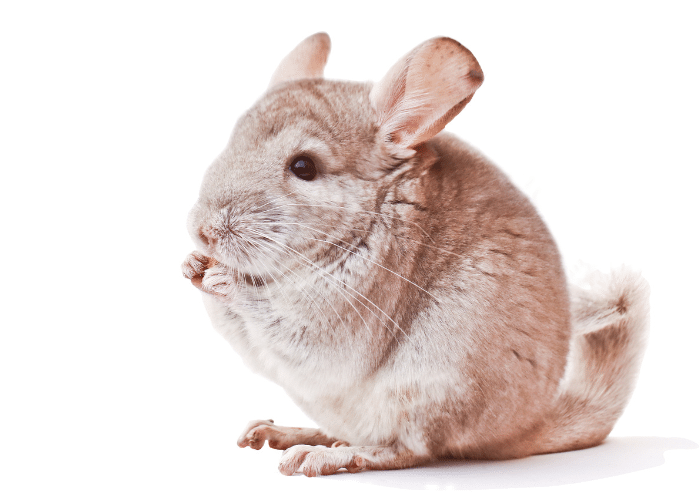
Can Chinchillas Get Fat?
Chinchillas are adorable and energetic pets that require proper care and attention to stay healthy. Just like humans, chinchillas can also gain weight and develop health issues if they become overweight. In this article, we will explore the factors that can contribute to chinchilla weight gain, the health risks associated with obesity in chinchillas, and how to maintain a healthy weight for your furry friend.
Introduction
Chinchillas are small rodents native to the Andes Mountains in South America. They have a unique diet and lifestyle, which requires owners to understand their nutritional needs and provide an appropriate environment. While chinchillas in the wild primarily feed on grasses, leaves, and other vegetation, domesticated chinchillas have slightly different dietary requirements.
Understanding Chinchilla Diet
Natural Diet of Chinchillas
In the wild, chinchillas have access to a variety of grasses and plants. Their diet consists of high-fiber foods, which are essential for their digestive health. Chinchillas have evolved to efficiently process low-energy, high-fiber diets, and a sudden change in their diet can disrupt their delicate digestive system.
Domesticated Chinchilla Diet
Domesticated chinchillas require a balanced diet that replicates their natural food sources. A high-quality chinchilla pellet serves as the foundation of their diet. These pellets are specially formulated to meet their nutritional needs. In addition to pellets, chinchillas should also have access to fresh hay and clean water at all times.
Factors That Can Contribute to Chinchilla Weight Gain
Overfeeding and Poor Diet Choices
One of the main reasons chinchillas become overweight is overfeeding. Offering treats and snacks excessively or providing a diet that is too rich in carbohydrates can lead to weight gain. Chinchillas have delicate digestive systems that are not designed to handle fatty or sugary foods.
Lack of Exercise
Chinchillas are active animals that require regular exercise to stay fit. A sedentary lifestyle with limited opportunities for physical activity can contribute to weight gain. Providing a spacious cage with plenty of toys, tunnels, and exercise wheels can help keep your chinchilla active and prevent weight gain.
Health Risks of Obesity in Chinchillas
Obesity can have serious consequences for the health and well-being of chinchillas. Here are some of the health risks associated with excess weight:
Digestive Issues
Obese chinchillas are more prone to digestive problems such as bloating and gastrointestinal stasis. These conditions can be painful and potentially life-threatening if not addressed promptly.
Dental Problems
An imbalanced diet and weight gain can lead to dental issues in chinchillas. Overgrown teeth, tooth decay, and malocclusion can occur, causing discomfort and difficulty in eating.
Joint and Mobility Problems
The excess weight places additional strain on a chinchilla’s joints, leading to arthritis and decreased mobility. Chinchillas may have difficulty jumping, climbing, or running, which can affect their overall quality of life.
Skin and Coat Issues
Obese chinchillas may have trouble grooming themselves effectively, leading to skin infections and a lackluster coat. Their fur may become matted or greasy, causing discomfort and increasing the risk of secondary infections.
Maintaining a Healthy Weight for Chinchillas
Keeping your chinchilla at a healthy weight requires a combination of proper diet and exercise. Here are some tips to help you maintain your chinchilla’s weight:
Balanced Diet
Provide your chinchilla with a balanced diet that consists of high-quality pellets, fresh hay, and limited treats. Avoid feeding sugary or fatty foods that can contribute to weight gain.
Portion Control
Measure the amount of food you give to your chinchilla to ensure they receive the appropriate portion size. Follow the recommended guidelines provided by the manufacturer of the chinchilla pellets.
Regular Exercise and Environmental Enrichment
Create an enriching environment for your chinchilla by offering toys, tunnels, and exercise wheels. Allow your chinchilla to explore outside the cage under supervised conditions to encourage physical activity.
Signs of Weight Gain in Chinchillas
It’s essential to monitor your chinchilla’s weight regularly to catch any signs of weight gain early. Here are some indicators that your chinchilla might be gaining weight:
Increased Body Size
Observe your chinchilla for any noticeable increase in body size. A rounder or more bloated appearance may indicate weight gain.
Difficulty in Movement
If your chinchilla struggles to move or becomes less active, it could be a sign of weight gain. Monitor their mobility and ensure they can perform their usual activities without difficulty.
Changes in Eating Habits
Weight gain can sometimes be accompanied by changes in eating habits. If your chinchilla starts consuming less hay or pellets, it may be a sign that they are overeating or experiencing a health issue.
Tips for Helping an Overweight Chinchilla
If you notice that your chinchilla has become overweight, it’s important to take action to help them shed those extra pounds. Here are some tips to assist your chinchilla in achieving a healthy weight:
Consult a Veterinarian
Consult with a veterinarian who specializes in exotic pets to assess your chinchilla’s weight and overall health. They can provide guidance on diet adjustments and recommend an exercise plan.
Adjust the Diet
Work with your veterinarian to modify your chinchilla’s diet based on their specific needs. They may recommend reducing the pellet portion size and increasing the amount of hay to encourage weight loss.
Encourage Exercise
Provide ample opportunities for your chinchilla to exercise. Introduce new toys, create an obstacle course, or allow supervised playtime outside the cage to encourage physical activity.
Conclusion
Maintaining a healthy weight is crucial for the well-being of your chinchilla. By understanding their dietary needs, monitoring their weight, and providing opportunities for exercise, you can help prevent weight gain and associated health issues. Remember to consult with a veterinarian for personalized advice and support.
FAQs
1. Can chinchillas eat fruits and vegetables?
While chinchillas primarily require a diet of pellets and hay, small portions of safe fruits and vegetables can be offered as occasional treats. Consult with a veterinarian to ensure you provide appropriate choices and quantities.
2. How often should I weigh my chinchilla?
It’s a good practice to weigh your chinchilla regularly, ideally once a month. Tracking their weight over time can help you detect any significant changes or trends.
3. Can chinchillas lose weight on their own?
Chinchillas can lose weight with the right diet and exercise regimen. However, it’s crucial to monitor their progress and consult with a veterinarian to ensure safe and healthy weight loss.
4. Are there any breed-specific considerations for preventing obesity in chinchillas?
While there aren’t specific breed considerations for preventing obesity in chinchillas, individual chinchillas may have different metabolic rates and dietary requirements. Consult with a veterinarian to tailor a plan suitable for your chinchilla’s specific needs.
5. Is it normal for chinchillas to have fluctuations in weight?
Chinchillas may experience slight fluctuations in weight due to factors like hydration, diet changes, or normal growth. However, significant or persistent weight changes should be monitored and addressed with the guidance of a veterinarian.

