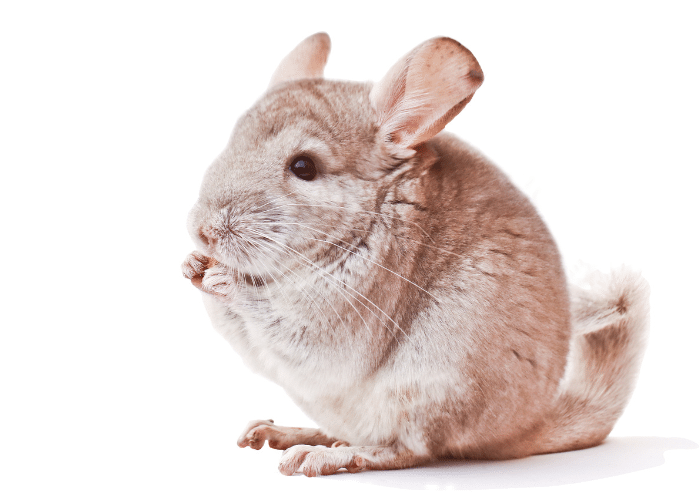
Do Chinchillas Like to Swim?
Chinchillas, those adorable and fluffy creatures known for their soft fur, are fascinating pets that capture the hearts of many animal lovers. As chinchilla owners, it’s essential to understand their behaviors and preferences to ensure their well-being. One common question that arises is whether chinchillas like to swim. In this article, we’ll explore the topic and shed light on the matter, providing valuable insights into the world of chinchillas.
Introduction
Before we dive into the topic of swimming, let’s familiarize ourselves with chinchillas. Native to the Andes Mountains in South America, chinchillas inhabit dry and rocky areas. These small rodents have several unique adaptations that help them thrive in their natural habitat, including their thick fur, agile movements, and remarkable ability to conserve water.
Chinchilla Anatomy and Adaptations
Chinchillas possess incredibly dense fur, which serves as excellent insulation against the cold temperatures of their native environment. Their fur consists of more than 60 hairs per follicle, providing superior warmth and protection. However, this dense fur also makes it difficult for water to penetrate, resulting in poor water resistance.
Unlike many other animals, chinchillas lack oil glands. Oil glands play a crucial role in repelling water, making animals more buoyant in the water. Without these glands, chinchillas have limited ability to stay afloat and move efficiently in water. This lack of buoyancy makes swimming a challenge for them.
Additionally, chinchillas are well-known for their agility and their preference for dry environments. Their natural habitat is characterized by arid conditions, and they have adapted to survive in such surroundings. These adaptations have shaped their behavior and preferences, including their aversion to water.
Chinchilla Behavior in Water
Chinchillas typically have an instinctive fear of water due to their evolutionary background and lack of swimming abilities. When confronted with water-related activities, such as bathing or swimming, they may display signs of distress or discomfort. It’s crucial to respect their natural instincts and avoid subjecting them to unnecessary stress or potential harm.
While chinchillas may not enjoy swimming, it’s essential to provide them with opportunities for exercise and mental stimulation. You can introduce alternative water-based enrichment activities that are safe and engaging. For example, providing a shallow container with marbles or non-toxic pebbles can create a sensory experience for them to explore without the risk of drowning.
Importance of Hygiene and Grooming
Although chinchillas may not like swimming, proper hygiene and grooming are vital for their well-being. Chinchillas have a unique grooming behavior that involves taking dust baths. They roll around in fine volcanic dust, which helps remove excess oils and keeps their fur clean and healthy. Dust baths are an essential part of their natural routine and should be provided regularly.
Regular grooming helps maintain their fur’s insulating properties and prevents matting or tangling. It’s important to note that using water or wet products to clean chinchillas can strip their fur of its natural oils, leading to skin problems and discomfort. Therefore, it’s best to rely on their instinctual grooming behavior and support them with dust baths.
Common Misconceptions about Chinchillas and Swimming
There are several misconceptions regarding chinchillas and their swimming abilities. Some may believe that chinchillas enjoy swimming or that they can be trained to swim. However, it’s important to remember that chinchillas are not natural swimmers, and subjecting them to water-related activities can be distressing for them.
While individual chinchillas may show varying levels of tolerance for water, it’s crucial to prioritize their well-being and respect their natural instincts. Understanding their preferences and providing appropriate alternatives for exercise and enrichment will contribute to their overall health and happiness.
Conclusion
In conclusion, chinchillas are not avid swimmers and generally dislike being in water due to their natural adaptations and instincts. Their dense fur, lack of oil glands, and preference for dry environments make swimming challenging and potentially dangerous for them. As responsible chinchilla owners, it’s crucial to prioritize their well-being and provide them with suitable enrichment activities that respect their instincts.
Remember to focus on their hygiene and grooming needs through regular dust baths, as this helps them maintain their fur’s health and cleanliness. By understanding and respecting their behaviors and preferences, we can ensure that our chinchilla companions live happy and fulfilled lives.
FAQs
1. Can chinchillas drown if they accidentally fall into water? Chinchillas can struggle to stay afloat in water due to their dense fur and lack of buoyancy. It’s important to keep them away from bodies of water to prevent accidents and potential drowning.
2. Can I give my chinchilla a regular bath using water and shampoo? No, chinchillas should not be given regular baths with water and shampoo. They rely on dust baths to keep their fur clean and healthy. Wetting their fur can strip away natural oils and lead to various health issues.
3. Are there any water-based activities that are safe for chinchillas? While swimming is not recommended for chinchillas, you can provide them with shallow containers filled with non-toxic items like marbles or pebbles. These can offer a sensory experience without the risk of drowning.
4. Do all chinchillas dislike water equally? While chinchillas share a general aversion to water, individual preferences and tolerance levels can vary. However, it’s important to prioritize their well-being and avoid exposing them to situations that cause distress.
5. How often should I offer my chinchilla a dust bath? Chinchillas should be offered a dust bath at least two to three times a week to maintain their fur’s cleanliness and health. However, be mindful not to overdo it, as excessive dust baths can dry out their skin.