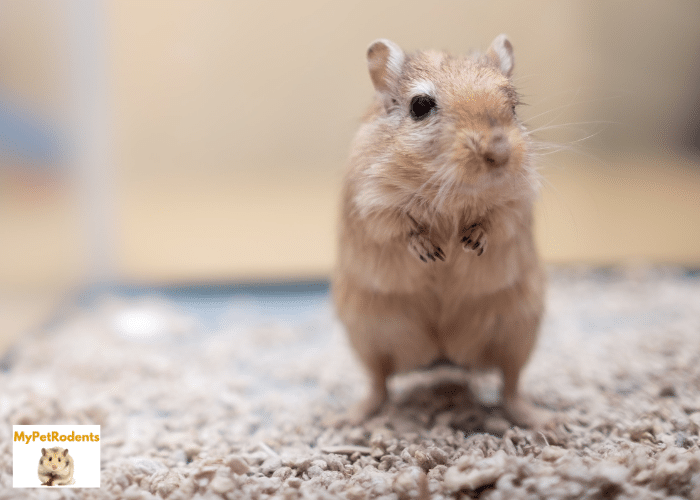
Is a gerbil a low maintenance pet? Are you considering getting a pet but worried about the time and effort it might require? If you’re looking for a furry friend that’s relatively low maintenance, a gerbil might just be the perfect fit for you. These small, curious creatures can bring joy and companionship into your life without demanding too much of your time and attention. In this article, we will explore whether a gerbil is indeed a low maintenance pet, along with tips for their care and ways to make gerbil ownership easier.
What is a Gerbil?
Before diving into the topic of gerbil maintenance, let’s start with a brief introduction to these adorable animals. Gerbils are small rodents that belong to the subfamily Gerbillinae. They are native to arid regions of Africa, Asia, and the Middle East. Gerbils are known for their friendly nature, inquisitive personalities, and distinctive appearance with their long tails, large eyes, and soft fur. They come in various colors and patterns, making them visually appealing companions.
Pros and Cons of Owning a Gerbil
Pros
When it comes to evaluating the maintenance level of a pet, it’s essential to consider both the advantages and disadvantages. Let’s begin with the pros of owning a gerbil, which contribute to their reputation as low maintenance pets.
Low Maintenance
Gerbils are relatively easy to care for compared to some other small animals. They require less attention and grooming, making them suitable for individuals with busy schedules or those who prefer a pet that doesn’t demand constant care. While gerbils enjoy human interaction, they can also entertain themselves for hours, reducing the need for constant stimulation.
Affectionate and Sociable
Despite their small size, gerbils are highly social animals that enjoy the company of their human caregivers. They can form strong bonds with their owners, providing companionship and affection. Interacting with your gerbil can be a rewarding experience, as they often enjoy being held, petted, and even gently played with.
Clean and Odor-Free
Maintaining a clean living environment is crucial for any pet owner. Fortunately, gerbils are known for their cleanliness and lack of odor. They groom themselves regularly, which helps keep their fur clean and free from dirt and oils. As long as their habitat is kept clean and bedding is regularly changed, gerbil enclosures tend to remain fresh and odor-free.
Quiet and Non-Destructive
If you live in an apartment or have close neighbors, noise levels can be a concern when choosing a pet. Gerbils are generally quiet creatures, making them ideal for those who prefer a tranquil living environment. Unlike some other small pets, gerbils are not prone to chewing on furniture or causing damage to your home, reducing the need for constant supervision.
Cons
While gerbils offer many advantages as low maintenance pets, it’s important to consider the potential challenges that come along with their ownership.
Short Lifespan
One of the downsides of gerbil ownership is their relatively short lifespan. On average, gerbils live for about two to four years. While this may seem brief compared to the lifespan of some other pets, the joy and companionship they provide during their time with you can still make it a worthwhile experience.
Requires a Specific Diet
Proper nutrition is vital for the overall well-being of your gerbil. They require a diet rich in fiber and protein, consisting mainly of high-quality gerbil pellets, fresh vegetables, and occasional treats. It’s essential to avoid foods that are toxic to gerbils, such as chocolate or citrus fruits. Ensuring a balanced diet for your gerbil can require a bit of research and careful planning.
Needs Regular Exercise and Mental Stimulation
Although gerbils are small, they are active animals that need plenty of exercise and mental stimulation to stay happy and healthy. Providing them with an appropriate habitat that allows for physical activity, such as a gerbil wheel and tunnels, is essential. Additionally, providing toys and engaging in interactive playtime can keep your gerbil entertained and prevent boredom.
Can Be Prone to Health Issues
As with any living creature, gerbils can experience health problems. Common ailments in gerbils include respiratory infections, dental issues, and parasites. Regular veterinary check-ups and attentive monitoring of your gerbil’s well-being can help catch any health concerns early on and ensure prompt treatment if needed.
Gerbil Care and Maintenance Tips
To ensure your gerbil remains happy and healthy, it’s important to follow a few care and maintenance tips. By implementing these practices, you can create an optimal environment for your gerbil companion.
Creating a Suitable Habitat
Gerbils need a spacious, well-ventilated cage or tank to call home. The enclosure should have a solid bottom to prevent escape and provide room for burrowing, as gerbils are natural diggers. Additionally, placing a layer of safe bedding, such as aspen shavings or paper-based products, will allow them to create tunnels and nests.
Providing Proper Nutrition
A well-balanced diet is crucial for the overall health and vitality of your gerbil. Gerbil-specific pellets should make up the bulk of their diet, supplemented with fresh vegetables and occasional treats. Ensure a constant supply of fresh water and remove any uneaten food promptly to prevent spoilage.
Ensuring Mental and Physical Stimulation
Gerbils are active animals that require mental and physical stimulation to prevent boredom and promote well-being. Providing them with a variety of toys, such as tunnels, chew toys, and climbing structures, will keep them entertained and engaged. Regular playtime outside of their enclosure, under close supervision, can also provide valuable exercise and bonding opportunities.
Regular Grooming and Hygiene
While gerbils are generally clean animals, they still require some grooming assistance from their owners. Regularly inspecting their fur, teeth, and nails for any signs of abnormalities or overgrowth is essential. If necessary, you can trim their nails using small animal nail clippers. Avoid giving your gerbil baths unless advised by a veterinarian, as they are capable of cleaning themselves.
Veterinary Care and Health Monitoring
Regular veterinary check-ups are essential to ensure the well-being of your gerbil. Find a veterinarian experienced in small animal care and schedule routine visits for health assessments and vaccinations, if recommended. Additionally, monitor your gerbil for any changes in behavior, appetite, or physical appearance, as these can be indicators of underlying health issues.
How to Make Gerbil Ownership Easier
While gerbils are generally low maintenance pets, there are a few additional steps you can take to make the experience even more manageable.
Choosing the Right Gerbil Breed
Different gerbil breeds may have varying characteristics and care requirements. Some breeds, such as Mongolian gerbils, are more commonly kept as pets due to their sociable nature. Research different breeds and choose one that aligns with your preferences and lifestyle.
Pairing Gerbils for Companionship
Gerbils are social animals that thrive in the company of their own kind. Consider adopting two gerbils from the same litter or introducing a new companion if you already have a single gerbil. However, make sure to introduce them gradually to prevent conflicts and monitor their interactions closely.
Using Appropriate Gerbil Accessories
Investing in suitable gerbil accessories can make maintenance tasks more convenient. For example, using a dust bath for their grooming needs can minimize mess and simplify cleaning. Additionally, providing hiding spots, nesting materials, and a comfortable sleeping area will enhance their overall well-being.
Implementing a Cleaning and Maintenance Routine
Establishing a regular cleaning and maintenance routine can help keep your gerbil’s habitat hygienic and odor-free. Clean the cage or tank thoroughly on a weekly basis, replacing soiled bedding and wiping down surfaces. Regularly remove any uneaten food or waste to prevent the buildup of bacteria.
Conclusion: Is A Gerbil A Low Maintenance Pet?
In conclusion, gerbils can indeed be considered low maintenance pets. Their independent nature, low odor levels, and minimal grooming requirements make them suitable companions for those with busy lifestyles. However, it’s important to remember that gerbils still require proper care, nutrition, exercise, and mental stimulation to thrive. By providing them with a suitable habitat, a balanced diet, regular veterinary care, and engaging activities, you can ensure a happy and healthy life for your gerbil friend.
FAQs
1. Are gerbils good pets for children?
Yes, gerbils can make great pets for children. They are generally friendly, sociable, and easy to handle. However, adult supervision is necessary to ensure proper care and handling to avoid accidental harm to both the gerbil and the child.
2. Can gerbils be left alone for long periods?
Gerbils are independent animals and can handle being left alone for moderate periods. However, it’s important to provide them with enough food, water, and a clean environment before leaving them unattended. It’s recommended not to leave gerbils alone for more than a day without proper care arrangements.
3. Do gerbils require a lot of space?
Gerbils are active animals and require ample space to explore and exercise. A suitable habitat for a pair of gerbils should be at least 20 gallons in size. The more space they have, the happier and more active they will be.
4. How long do gerbils typically live?
On average, gerbils have a lifespan of about two to four years. However, with proper care, some gerbils may live up to five years or more. Their lifespan can be influenced by genetics, diet, environment, and overall health.
5. Are gerbils prone to any specific diseases?
Gerbils can be susceptible to various health issues, including respiratory infections, dental problems, and external parasites. Regular veterinary check-ups and attentive monitoring can help detect and address potential health concerns promptly.
If you love gerbils like me perhaps you would like to read a few other articles about them. For example, do gerbils like to be held?